
Respiratory & Immune Health
Breathing is one of those things you don’t think about until it becomes difficult. Sinus congestion that lingers for weeks, a chest that feels tight in cold air, hayfever that writes off entire months of the year, or a system that catches every cold going around. When your respiratory health is compromised, your energy drops, your sleep suffers, and even simple things feel harder than they should.
Chinese Medicine has a long tradition of supporting respiratory health and building resilience against seasonal and environmental challenges. Treatment works with your body’s own protective systems, focusing on what’s making you vulnerable and what needs strengthening so you can adapt more easily to the demands of each season.
If you find yourself constantly fighting off colds, struggling through allergy season, or carrying respiratory symptoms that don’t fully resolve, this is an area where acupuncture and herbal medicine can offer real support.
Your Body’s Protective Layer
In Chinese Medicine, the Lung system does more than manage breathing. It governs the body’s Wei Qi, a concept that translates roughly as “defensive energy.” Wei Qi circulates at the surface of the body, regulating temperature, protecting against external pathogens like wind, cold, and dryness, and maintaining the health of the skin and mucous membranes.
When Wei Qi is strong, you adapt well to weather changes, recover quickly from minor illness, and your respiratory system stays clear and comfortable. When it’s depleted or disrupted, the surface becomes vulnerable. You catch colds easily, allergies flare with every seasonal shift, and recovery takes longer than it should.
The Lung system is also closely connected to the Spleen (digestive system) in TCM. If digestion is weak, the body can’t produce enough Qi to fuel the Lung’s protective function. This is why people with chronic digestive issues often find they’re also more prone to respiratory problems. Treatment frequently addresses both systems together.
What Treatment Looks Like
Treatment starts with understanding your pattern. I’ll ask about your respiratory symptoms, your energy, your digestion, your stress, and how your health shifts across seasons. In Chinese Medicine, someone who gets sinus congestion every spring has a different underlying pattern from someone who catches every winter cold, and the treatment approach reflects that.
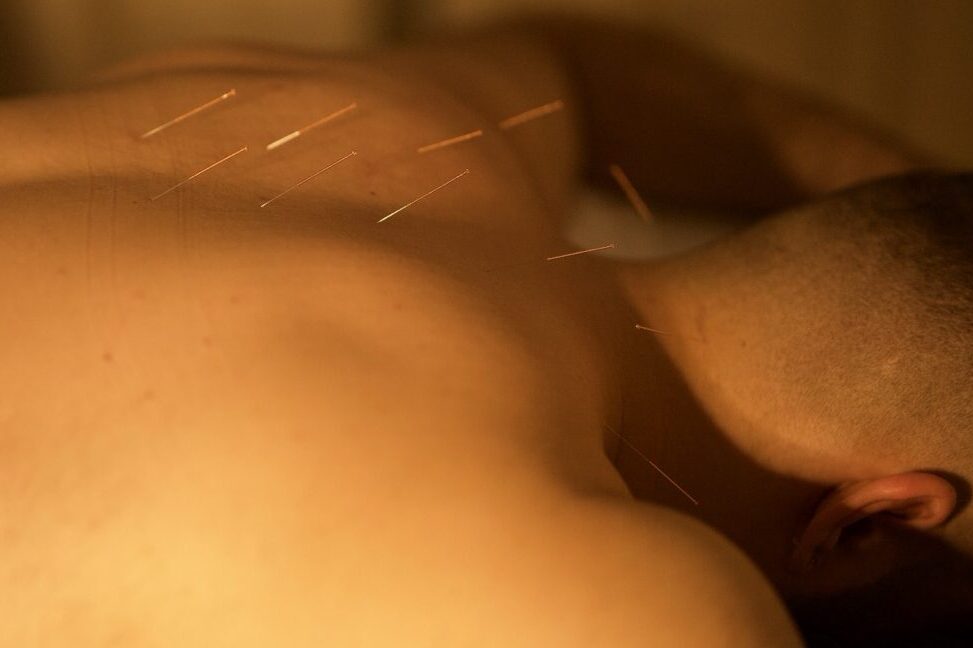
Acupuncture is the core of most respiratory treatment plans. It works by regulating the immune response, opening the airways, reducing inflammation in the sinuses and chest, and calming the nervous system. For acute symptoms like sinus congestion or a chest cold, acupuncture can provide quick relief. For chronic or recurring patterns, treatment focuses on strengthening the underlying deficiency so symptoms are less likely to return.
Chinese herbal medicine is particularly valuable for respiratory and immune concerns. Herbal formulas can be tailored to your specific pattern and adjusted seasonally, which means treatment can adapt as your environment changes. Herbs are often used both during acute flare-ups (to help resolve symptoms faster) and between episodes (to build resilience and reduce the frequency of recurrence).
Cupping and moxibustion are frequently used alongside acupuncture for respiratory support. Cupping on the upper back can help open the chest and relieve congestion. Moxibustion is used to warm and strengthen the Lung system, particularly during colder months or for people with cold, deficient patterns.
I may also suggest seasonal dietary adjustments based on your Chinese Medicine pattern: warming foods in winter to protect the Lung, lighter foods in spring to help the body clear accumulated dampness, and practical strategies for managing known triggers.
Common Respiratory & Immune Concerns
People come to me at different times of year and for different reasons. Some want help getting through hayfever season. Others are tired of catching everything that goes around. Some have lingering symptoms after an illness that won’t fully clear. All of these are good starting points.
What commonly brings people in:
- Hayfever, seasonal allergies, and sinus congestion
- Recurring colds or slow recovery from illness
- Lingering cough or chest tightness after being unwell
- Mild asthma or breathing difficulties
- A feeling of being run down or “catching everything”
- Seasonal health support and building resilience through winter
- Sinus headaches or post-nasal drip
If your concern isn’t listed, get in touch. I’m always happy to talk through whether acupuncture could help with what you’re experiencing.
Working With Your Other Practitioners
Acupuncture and Chinese Medicine work well alongside your GP, allergist, or respiratory specialist. If you’re using inhalers, antihistamines, or other medication, treatment can complement that care by supporting the broader patterns that influence your respiratory health.
For respiratory concerns, it’s important to have appropriate medical investigation where needed. If you haven’t seen your GP about persistent or worsening symptoms, I’d encourage you to do so. Acupuncture is most effective as part of a well-coordinated approach to your health.
Looking for Respiratory or Immune Support?
Whether you’re preparing for allergy season, recovering from illness, or looking to build your resilience, acupuncture and Chinese Medicine can be tailored to where you are. I practice from Zhong Centre in St Kilda, Melbourne.