
Digestive & Gut Health
Digestive problems have a way of running the show. Bloating after every meal, a gut that can’t decide what it’s doing, reflux that wakes you at 2am, food that sits like a brick for hours. When your digestion is off, it colours everything: your energy tanks, your mood shifts, your skin flares up, and eating out becomes something you have to strategise rather than enjoy.
In Chinese Medicine, the digestive system is considered the foundation for entire body. It’s the system responsible for turning food into usable energy, and when it’s compromised, everything downstream suffers. This is why digestive concerns are taken seriously in TCM, and why treatment often starts here even when the primary complaint is something else entirely.
My approach is to understand what’s going on for you specifically, identify the patterns that are disrupting your digestion, and build a treatment plan that addresses them from the inside out.
The Centre of Everything
In Chinese Medicine, the Spleen and Stomach are the central organ pair responsible for digestion. Together, they transform food and drink into Qi (energy) and Blood, which then nourish every other system in the body. When the Spleen and Stomach are strong, digestion is comfortable, energy is steady, and the body has what it needs to function well. When they’re weak or disrupted, the effects ripple outward.
Cold, irregular eating, chronic stress, overwork, and certain medications can all weaken this system over time. The symptoms might show up as bloating, loose stools, or fatigue after eating, but they can also appear as poor concentration, heavy limbs, a foggy head, or skin that won’t clear up. In TCM, these are all connected back to the digestive centre.
This is one of the areas where Chinese Medicine’s whole-body approach is particularly useful. Rather than treating a single digestive symptom in isolation, treatment looks at the broader pattern: what’s weakening the system, what’s creating the disruption, and what needs to change for digestion to settle.
What Treatment Looks Like
Treatment starts with a detailed conversation about your digestive symptoms, your eating patterns, your energy, your stress, and your overall health. I’ll also look at your tongue and feel your pulse, both of which give important information about the state of your digestive system in Chinese Medicine.
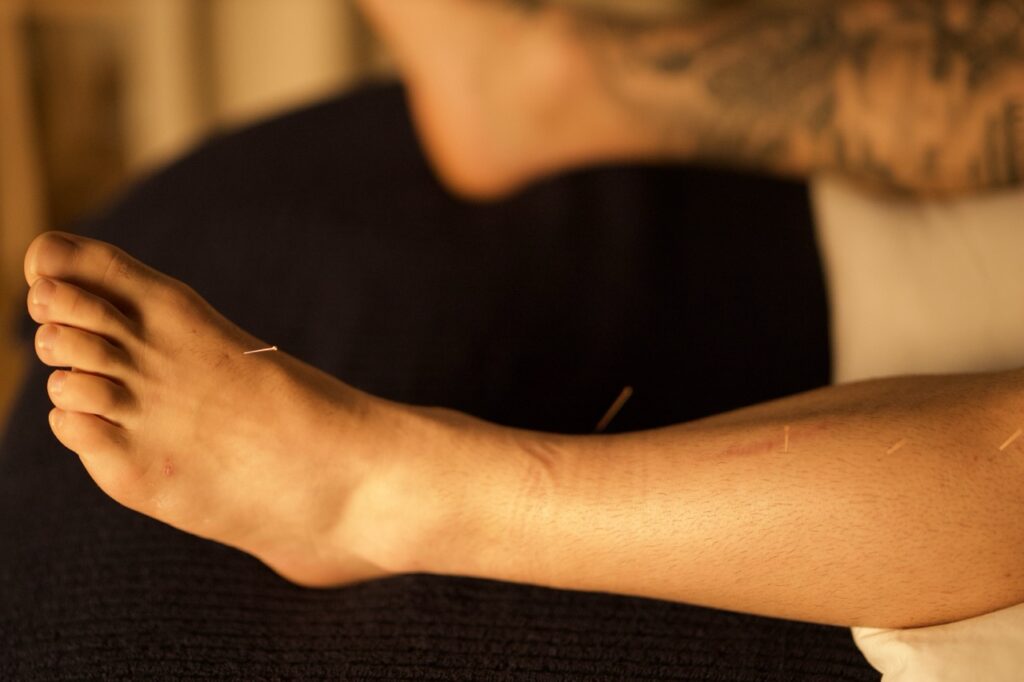
Acupuncture is the core of most treatment plans. For digestive concerns, it works by regulating the nervous system (specifically the gut-brain axis), improving motility, reducing inflammation, and supporting the body’s own digestive function. Many people notice their gut feels calmer and more predictable within the first few sessions.
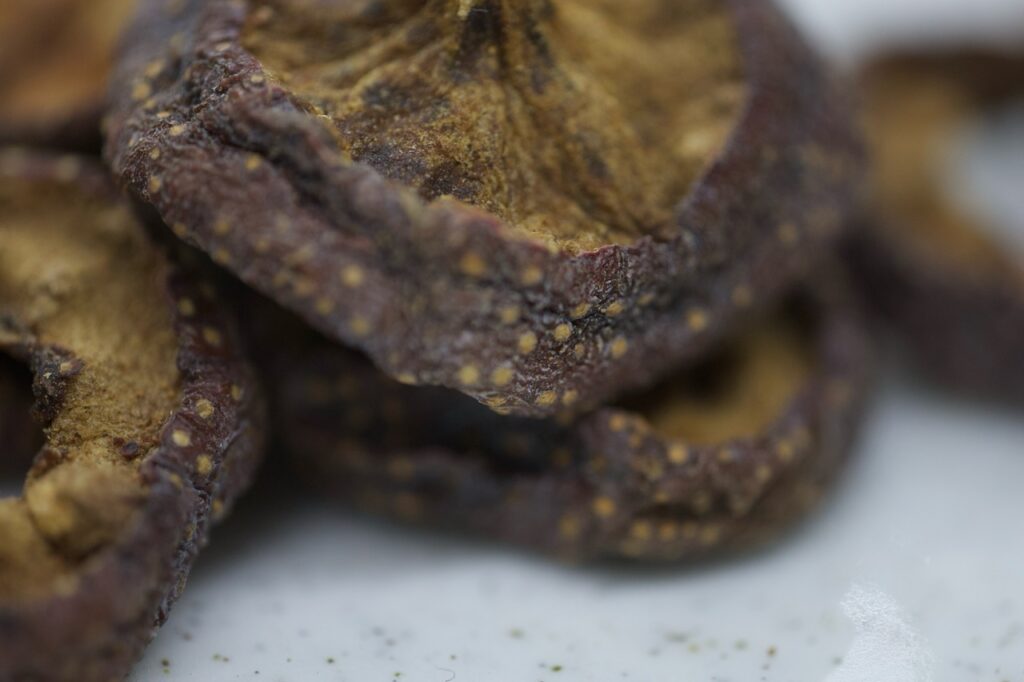
Chinese herbal medicine is often especially valuable for digestive issues. Herbal formulas can be tailored precisely to your pattern, whether that’s warming a cold, sluggish system, clearing heat and dampness that’s causing inflammation, or strengthening a depleted digestive centre. Herbs provide daily support between acupuncture sessions, which is important for digestive concerns that have built up over months or years.
Moxibustion (a gentle heat therapy) is frequently used alongside acupuncture for digestive support, particularly when the pattern involves cold or deficiency. It’s warming, deeply relaxing, and many people find it one of the most comforting parts of treatment.
Dietary guidance is always part of the picture for digestive concerns, but it’s based on your Chinese Medicine pattern rather than generic rules. What helps one person’s gut can make another’s worse, and the recommendations I make are specific to what I’m seeing in your presentation.
Common Digestive Concerns
People come to me with a wide range of digestive issues. Some have been managing a sensitive gut for years. Others have developed symptoms recently and want to get on top of them before they become entrenched. Some have been through extensive medical testing and still don’t have clear answers. All of these are common starting points.
What commonly brings people in:
- Bloating, gas, or abdominal discomfort after eating
- Irregular bowel habits (constipation, loose stools, or alternating between the two)
- Reflux, heartburn, or a sense of food sitting heavily
- Nausea or poor appetite
- Food sensitivities or reactions
- Fatigue or brain fog linked to eating
- Stress-related digestive symptoms (the gut-brain connection)
- Ongoing digestive discomfort that hasn’t responded to other approaches
If your concern isn’t listed, get in touch. Digestive health is one of the areas I work with regularly, and I’m always happy to talk through whether acupuncture could help.
Working With Your Other Practitioners
Digestive health often involves multiple practitioners. If you’re working with a GP, gastroenterologist, dietitian, or naturopath, acupuncture and Chinese Medicine can sit comfortably alongside that care. Treatment focuses on supporting your digestive function and overall health without conflicting with other interventions.
If you’ve had testing done (blood work, stool tests, scopes), bring the results along. They can be useful context for understanding your presentation from a Chinese Medicine perspective. And if you need referrals for further investigation, I can help with that.
Looking for Digestive Support?
If gut problems are affecting your energy, your comfort, or your quality of life, acupuncture and Chinese Medicine may help you find more balance. I currently practise at Zhong Centre in St Kilda, Trans Space in Brunswick and Asthetique Skin Care in Shepparton.